About Membrane Bioreactor (MBR) Sewage Treatment
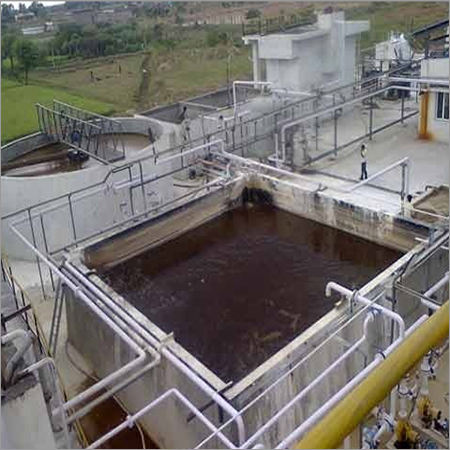
We are counted among one of the trusted manufacturers and suppliers of MBR Based STP. This sewage treatment plant is designed under the guidance of our professionals using quality tested raw materials and latest techniques in compliance with set industrial norms. this plant is equipped with the latest facilities to be able to deliver an upgraded range of sewage treatment plants . Moreover, the design criteria of this MBR Based STP is according to the traditional way of Activated Sludge Treatment principle.
Features:
- Easy installation
- Longer functional life
- Easy maintenance
- Cost effective
High-Quality Effluent for Responsible DischargeMBR technology ensures stringent water quality with BOD less than 10 mg/L and suspended solids below 5 mg/L, making treated water suitable for discharge or potential reuse. Advanced membranes with a 0.1-0.4 micron pore size remove even fine particulates, meeting regulatory compliance for varied industrial applications.
Efficient and Durable Design for Industrial NeedsThe system operates reliably in harsh industrial environments, tolerating feed salinity up to 5,000 ppm and ambient temperatures from 5C to 45C. All components are constructed from durable metal and corrosion-resistant PVDF/polymer membranes, designed for a life span exceeding a decade.
Seamless Integration and Fast InstallationPrefabricated or on-site installation models allow flexible integration with existing wastewater infrastructure, cutting down lead times to as little as 2 weeks. The PLC-based control system and semi-automatic operation streamline both installation and daily management routines.
FAQ's of Membrane Bioreactor (MBR) Sewage Treatment:
Q: How does the Membrane Bioreactor (MBR) treatment process work?
A: The MBR system combines biological treatment and membrane filtration. Wastewater first undergoes pretreatment (screening and grit removal), followed by biological degradation of organics. The mixed liquor is then filtered through PVDF/polymer membranes (0.1-0.4 micron), separating clean water from sludge and solids, resulting in high-quality effluent.
Q: What are the main benefits of using an MBR system for industrial sewage treatment?
A: Key benefits include low sludge production, exceptional effluent quality (BOD < 10 mg/L, suspended solids < 5 mg/L), compact footprint, high permeate recovery (>95%), and prolonged operational life. These characteristics make MBR ideal for industrial clients seeking regulatory compliance and reduced maintenance.
Q: When is pretreatment required for the MBR system?
A: Pretreatment is always required before wastewater enters the MBR unit. Screening removes large debris, and grit removal protects the membranes, preserving performance and longevity by preventing clogging and abrasion.
Q: Where can these MBR sewage treatment plants be installed?
A: These systems are suitable for installation in various industrial facilities across India, handling capacities from 10 KLD upwards. They can be supplied as prefabricated units for quick setup, or tailored for on-site construction as needed.
Q: What is involved in the maintenance and cleaning of the membranes?
A: Membrane cleaning is managed through a combination of physical methods (such as backwashing) and chemical cleaning cycles. The automated PLC system schedules cleaning based on operating hours or performance indicators, minimizing manual intervention and downtime.
Q: How does the plant accommodate varying flows and industrial conditions?
A: Each system is custom-designed for flow rates from 10 KLD to 1000 KLD and beyond. Control systems adjust to both gravity or pump feed, and the robust membranes tolerate feed salinity up to 5,000 ppm and broad pH levels (6.5-8.5), suitable for a range of wastewater characteristics.





 Send Inquiry


