About ASP Sewage Treatment Plant
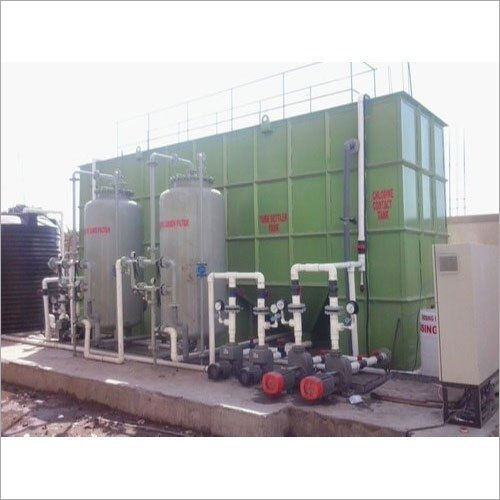
An ASP (Activated Sludge Process) sewage treatment plant is a type of wastewater treatment facility that uses biological processes to treat sewage. Here s a brief overview of how it works:
Key Components:
-
Influent Channel: Wastewater enters the plant through this channel.
-
Aeration Tank: This is where the activated sludge process occurs. Air is injected into the tank to promote the growth of microorganisms that break down organic matter in the sewage.
-
Settling Tank: After aeration, the mixture flows into a settling tank (or clarifier) where the activated sludge settles to the bottom. The clear water (effluent) is then discharged or further treated.
-
Return Activated Sludge (RAS): A portion of the settled sludge is returned to the aeration tank to maintain the necessary concentration of microorganisms.
-
Waste Activated Sludge (WAS): Excess sludge that is not returned is removed and treated or disposed of.
Advantages:
- Effective Removal: Efficiently reduces organic pollutants and nutrients (like nitrogen and phosphorus).
- Adaptable: Can be adjusted for different flow rates and loading conditions.
-
Advanced Effluent QualityThe ASP Sewage Treatment Plant consistently delivers superior treatment results, achieving BOD levels under 10 mg/l and COD below 50 mg/l. This makes it ideal for regulatory compliance and environmental sustainability in both domestic and industrial settings.
Flexible Installation & Minimal Civil WorkAvailable in containerized or prefabricated formats with plug & play capability, installation requires minimal civil work. Options for portable or fixed setup offer adaptability across diverse application sites and operational needs.
Efficient Sludge and Odor ManagementIntegrated sludge digesters or dewatering systems enable effective handling and disposal. Customizable odor control ensures a safer and more pleasant operational environment, tailored to specific site conditions.
FAQ's of ASP Sewage Treatment Plant:
Q: How does the ASP Sewage Treatment Plant process sewage?
A: The plant utilizes the Activated Sludge Process, where microorganisms biologically treat sewage to reduce organic pollutants. Pre-treatment stages, including screening and grit removal, prepare the wastewater before it enters the main biological reactor, ensuring optimal treatment performance.
Q: What types of application sites and water sources are suitable for this sewage treatment plant?
A: This system is specifically designed for both domestic and industrial wastewater, handling various sources of sewage with adaptable flow rates and operational capacities from 10 KLD up to 500 KLD or more.
Q: Where can the plant be installed, and what are the civil requirements?
A: The ASP plant can be set up at any location requiring wastewater treatment, thanks to its portable and fixed unit options. With a containerized or prefabricated design, installation involves minimal civil work and a straightforward plug & play process.
Q: When is sludge management performed, and how is it handled?
A: Sludge management occurs continuously or periodically based on plant load and operation. The plant is equipped with a sludge digester or dewatering system to safely treat and reduce sludge volume before disposal.
Q: What are the benefits of PLC-based and auto-manual control systems in this plant?
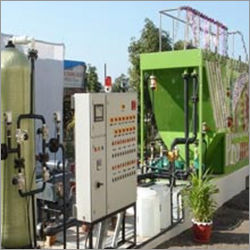
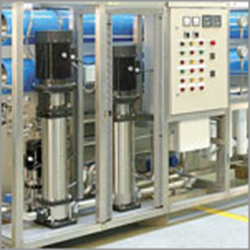
A: PLC-based and auto-manual controls allow for precise, automated monitoring and operation, improving process reliability and reducing operator intervention. They support flexible management for varying flow loads and treatment scenarios.
Q: How is odor controlled at the treatment facility?
A: Odor control solutions are provided according to site requirements, utilizing technology to manage and minimize unpleasant smells during plant operation, thus maintaining a comfortable working environment.
Q: What are the advantages of choosing the ASP biological treatment technology?
A: ASP technology is highly effective, delivering consistent effluent quality with low BOD and COD, accommodating variable wastewater compositions, and offering scalable, energy-efficient solutions for different plant capacities.




 Send Inquiry

